How To Improve Your Credit Score With No Credit History
Credit scores are simple three-digit numbers that show how well you manage money and repay debt. They are based on the information in your credit report, which means you need a credit history before you can even have a credit score.
If you have little or no credit history, you might wonder whether it’s still possible to improve your score. The good news is yes—it is possible. With the right steps, like building credit responsibly and understanding how credit scoring works, you can gradually establish a strong credit profile and improve your financial standing over time.
How Credit Scoring Works
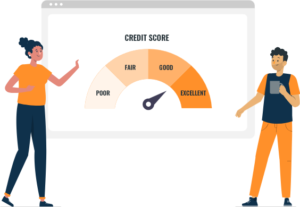
Credit scores don’t appear randomly—they are calculated using specific credit scoring models. The most widely used model is the FICO score, which is used by about 90% of top lenders when making credit decisions. Another common model is VantageScore, which also evaluates creditworthiness using similar data.
Both scoring systems rely on the information in your credit report. This includes details such as the number of credit accounts in your name, your payment history, current balances, credit inquiries, and any public records like bankruptcies, judgments, or foreclosures.
If you don’t have a credit history, your credit report may contain very little information, making it difficult to generate a score. In fact, the Consumer Financial Protection Bureau estimates that around 45 million Americans are “credit invisible,” meaning they don’t have enough credit history to be scored.
Where does your credit score start?
Not having a credit history doesn’t mean your credit score starts at zero. In fact, credit scoring models like FICO and VantageScore don’t go that low. The lowest possible credit score you can have is typically around 300, while the highest can reach up to 850.
If you’ve never used credit before, you likely won’t have a score at all until you begin building a credit history. Once you start using credit responsibly, your score will be created and can grow over time based on your financial behavior.
Your credit score is influenced by several key factors. The most important is payment history, which makes up about 35% of your FICO score—paying bills on time helps your score, while late payments can hurt it. Next is credit utilization (30%), which measures how much of your available credit you’re using. Credit age accounts for 15% and reflects how long you’ve had credit accounts open. The credit mix (10%) looks at the different types of credit you use, such as loans or credit cards. Finally, credit inquiries (10%) consider how often you apply for new credit, which can slightly impact your score.
Fastest Ways To Build Credit
Building a credit score from scratch can feel a bit challenging at first, especially when you have no credit history. However, the good news is that there are several practical ways to start building credit, and some methods can help you see results faster than others.
If your goal is to establish credit quickly, focusing on the right strategies—like starting with beginner-friendly credit options and using them responsibly—can help you create a solid credit foundation and improve your score over time.
Become an authorized user
An authorized user is someone who is added to another person’s credit card account and is allowed to use the card for purchases, but they are not legally responsible for paying the bill. This can be a helpful way to start building credit, especially if you have no credit history.
When you’re added as an authorized user, the account may appear on your credit report as well as on the primary cardholder’s report. If the main account holder manages the card responsibly—by making on-time payments and keeping the balance low—those positive habits can also reflect on your credit profile. This can help you build credit faster and establish a stronger financial foundation.
Apply for a secured or credit builder card
Secured credit cards are a common option for people who have little to no credit history or are working to rebuild their credit. These cards usually require a refundable cash deposit, which acts as your credit limit. As you make purchases, your available credit decreases, and as you make payments, your credit becomes available again.
If your goal is to build credit quickly using a secured card, the most important step is to always pay your bill on time. Payment history is the biggest factor in your FICO credit score, so consistent on-time payments can make a real difference. With responsible use, you may start seeing improvements in your credit score within just a few months, helping you build a stronger credit profile over time.