5 Best Ways to Build Credit
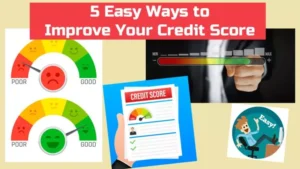
Having good credit gives you real financial freedom. But before you can improve it, you need to understand where you currently stand.Your credit score is a three-digit number that represents your borrowing history. In simple terms, it tells lenders how responsible you’ve been with credit in the past. A higher credit score can help you qualify for better interest rates, lower fees, and higher borrowing limits—whether you’re applying for a car loan, credit card, or even a mortgage.
One of the most widely used scoring models is the FICO® Score, which ranges from 300 to 850. Generally, a score above 670 is considered good, while scores of 800 and above are seen as excellent by most lenders. In fact, many people fall within the “good” credit range, while a smaller percentage achieve exceptional credit scores.
It’s important to know that your credit score isn’t fixed—it changes over time based on how you manage your finances. Every time you make a payment, miss a due date, or take on new credit, your score can go up or down.
Several key factors influence your credit score, including:
- Payment history (whether you pay your bills on time)
- Credit utilization (how much of your available credit you’re using)
- Types of credit you use (credit cards, loans, etc.)
- Length of your credit history
- Total outstanding debt
- Public records such as bankruptcies
- Recent credit applications and inquiries
To even generate a FICO® Score, you typically need at least one active credit account that has been open for around six months and reported to the credit bureaus.
If you don’t have credit yet—or your score is lower than you expected—don’t panic. Credit building takes time, and with consistent, responsible habits, you can gradually improve your credit score and open the door to better financial opportunities.
Here are 5 Best ways to build credit starting today
1. Pay on Time, Every Time
If you want to build strong credit quickly, the most important habit is simple—pay your bills on time, every single time. Lenders pay close attention to your payment history because it shows how responsible you are with money.
Even one missed payment can negatively affect your credit report and may stay there for years, so consistency really matters.
To stay on track, try setting up reminders on your phone or calendar so you never miss a due date. You can also schedule payments in advance through online banking, which makes it easier to stay organized and avoid late fees. Some people even set up automatic payments so everything runs smoothly in the background.
If you ever run into financial difficulty, don’t ignore it. It’s always better to contact your lender early, explain your situation, and ask what support options are available. Many lenders are willing to help if you communicate with them in time.
2. Keep Your Credit Utilization Low
Another major factor in building credit is your credit utilization rate—this is how much of your available credit you’re actually using. In simple terms, it’s your balance compared to your credit limit.
For example, if you have $10,000 in available credit and you’re using $3,000, your credit utilization is 30%.
Most experts recommend keeping your utilization below 30%, but the lower you can keep it (ideally between 1% and 10%), the better it looks to lenders. A lower utilization rate shows that you manage credit responsibly and aren’t relying too heavily on borrowed money.
5 Best Ways to Build Credit
Pay down your balances
Reducing your debt automatically improves your utilization rate, even if your credit limit stays the same. This is one of the fastest ways to boost your credit profile.
Avoid closing old credit cards
Even if you’re not using a credit card, keeping it open can help your credit score. Closing accounts reduces your total available credit, which can increase your utilization rate and potentially lower your score.
Request a credit limit increase
Another effective strategy is to ask your lender for a higher credit limit. If approved, your utilization rate drops instantly—assuming your spending stays the same. Just keep in mind that applying for new credit may involve a hard inquiry, which can temporarily affect your score slightly.
By managing your payments and keeping your credit usage low, you’ll build a stronger credit history and improve your chances of approval for future loans and credit cards.
3. Explore Alternative Lending Options
Building credit isn’t limited to just credit cards—there are several other borrowing options that can help you grow your credit profile over time. The key is to choose products that match your financial situation and make consistent, on-time payments.
For many people, an auto loan is their first step into borrowing. Whether it’s a new or used car, auto loans come with fixed monthly payments over a set period of time. For example, you might pay a fixed amount each month for five years. When you make these payments on time, it helps build a positive credit history and can gradually improve your credit score.
A personal loan is another option. This type of loan gives you a lump sum of money that you repay in fixed installments. People often use personal loans for expenses like medical bills, home improvements, or debt consolidation. Making regular payments on a personal loan shows lenders that you can manage credit responsibly.
You might also come across a personal line of credit, which works more flexibly. Instead of receiving a lump sum, you can borrow money up to a set limit, repay it, and borrow again when needed. This is useful for ongoing expenses like education costs or home projects.
If you’re new to credit or rebuilding your score, there are also beginner-friendly options designed to help:
- Share-secured loans: You borrow money against your savings account while still earning interest on your balance. For example, if you have $3,000 saved, you may be able to borrow up to that amount.
- Secured credit cards: These cards require a refundable deposit, which acts as your credit limit. They’re a great way to build credit safely while learning responsible credit habits.
- Joint credit cards: This is a shared account with another trusted person. Both users are responsible for payments, and both credit histories are affected by how the account is managed.
4. Review Your Credit Report Regularly
Think of your credit report as your financial record card. It shows how you’ve handled borrowing, including all your open and closed accounts, payment history, and any missed payments.
It’s important to check your credit report regularly to make sure everything is accurate. Even small mistakes can affect your ability to get approved for credit. If you notice an account you don’t recognize, contact the lender right away—it could be a sign of identity theft.
In most cases, you’re entitled to a free credit report once a year from each of the major credit bureaus: Equifax, Experian, and TransUnion.
5. Protect Your Credit and Financial Identity
Protecting your credit is just as important as building it. A few simple habits can help keep your information safe:
- Turn on alerts for your bank and credit card accounts to track activity in real time
- Regularly check your statements for any unusual or suspicious transactions
- Contact your lender immediately if you notice anything suspicious
- Consider locking or freezing your credit report to prevent unauthorized accounts from being opened in your name
These steps help you stay in control and protect your financial identity from fraud or misuse.