How to build your credit history as a student or Beginner

How to build your credit history as a student or Beginner

Starting your credit journey can feel confusing at first, especially if you’re a student or completely new to credit. The good news is that building credit isn’t complicated—you just need the right steps and consistent habits.

Whether you’re in college or just starting out, you can begin building your credit history by using simple tools like student credit cards, secured credit cards, or becoming an authorized user on a trusted family member’s account. Making small purchases and paying them on time each month is one of the easiest ways to show lenders you’re responsible.

What is a credit score?
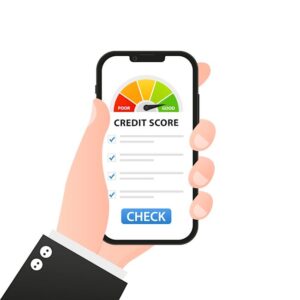
how to build your credit history as a student

When you apply for credit—whether it’s a credit card, loan, or mortgage—lenders try to understand how you’ve managed money in the past to predict how you’ll handle it in the future. In simple terms, they want to know how likely you are to repay what you borrow on time.

To make this decision, lenders review several factors such as your existing debts, recent credit applications, the types of credit you’ve used, and your payment history. Paying bills on time and managing debt responsibly can make a big difference in how lenders view you.

Much of this information comes from credit reference agencies like Experian, Equifax, and TransUnion, which collect and maintain your credit history.

The term “credit score” usually refers to a number that reflects how lenders may see your credit behaviour. However, each lender may also use its own scoring system based on the same financial data.

If you’re new to credit or have little to no credit history, it can feel challenging at first. After all, lenders are cautious about lending to someone without a proven track record. That’s why building credit step by step is so important—it helps you create a positive financial history and improves your chances of being approved for credit in the future.

The 7 things to know to build your credit history

Building a credit history is essential if you want lenders to trust you with borrowing money. But for many beginners, there’s a common challenge—how do you start building credit if you’ve never borrowed before?

This is often called a “catch-22” situation. To get credit, you need a credit history—but to build a credit history, you need credit. When you apply for any financial product, lenders run a credit check. During this process, they use the information available about you and run it through a scoring system to predict how likely you are to repay borrowed money on time.

A poor credit history can reduce your chances of approval, but having little or no credit history can also work against you. Without enough data, lenders find it harder to assess your financial reliability.

Your credit history can impact many important areas of your life, including:

  • Mortgages for buying a home
  • Credit cards and personal loans
  • Opening bank accounts
  • Utility bills set up on direct debit
  • Broadband and internet services
  • Mobile phone and landline contracts
  • Car insurance and home insurance policies
  • Buy now, pay later products

That’s why starting early and building a positive credit history is so important. With the right steps, you can gradually improve your credit profile and increase your chances of approval for essential financial products in the future.

Register to Vote to Strengthen Your Credit Profile

One of the simplest but most important steps in building credit history is registering on the electoral roll. In the UK, and in many credit systems, this helps lenders confirm your identity when you apply for credit.

When you’re registered to vote, your details are linked to your credit file, making it easier for lenders to verify who you are. This small step can improve your chances of getting approved for credit in the future.

For students, it doesn’t matter whether you register at your home address or your university address. However, it’s important that any credit application matches the same address you used for voter registration. Using a different address can sometimes lead to delays or rejection.


Open a Student Bank Account (A Smart First Step)

If you’re 18 or 19 and just starting out, it’s completely normal to have no credit history. That’s why student bank accounts are designed to help you begin your financial journey.

Many student accounts come with an arranged overdraft, often interest-free, which can act as your first form of borrowing. Some banks may offer overdrafts up to £3,000, although new students usually start with lower limits.

Instead of choosing the first bank you see, compare student bank accounts to find the best benefits, overdraft limits, and terms that suit your needs.


Manage Your Student Account Responsibly

How you use your student bank account matters just as much as opening it. Misusing your overdraft or constantly maxing it out can send a negative signal to lenders.

Even though many student overdrafts are interest-free, they should only be used for short-term financial gaps—not as a regular source of spending.

A simple way to stay in control is to calculate your total income each term, including:

  • Student loan
  • Grants or scholarships
  • Part-time job income
  • Financial support from family

Then, divide your budget wisely so you know exactly how much you can spend each week.


Use a Credit Card Responsibly to Build Credit

At some point in your early financial journey, you may be offered a credit card. This can be a powerful tool for building credit history—but only if used carefully.

There are credit cards designed for beginners or those with limited credit history. While they may have higher interest rates (sometimes around 34.9%), you can avoid paying interest completely by using them responsibly.

The best approach is:

  • Use the card for small, planned monthly purchases
  • Always pay the full balance on time

When used correctly, a credit card helps build a positive credit record by showing lenders that you can manage borrowed money responsibly.

However, missed or late payments can seriously damage your credit score and may take years to recover from. If you ever struggle to make a payment, it’s important to contact your lender as early as possible—they may be able to help you avoid long-term damage to your credit history.

Why Stability Matters When Building Credit History

When you’re a student or just starting your credit journey, it’s common to move between different addresses. However, frequent changes in your address can sometimes make it harder to build a strong credit profile.

Lenders value stability. They prefer borrowers who appear consistent and easy to verify over time. If possible, try to keep one permanent address—such as your family home—for your financial accounts whenever appropriate.

It’s also important to keep your details consistent across all applications. This includes your:

  • Address
  • Phone number
  • Bank account information

Maintaining consistency helps lenders confirm your identity more easily and shows that you are a stable and reliable borrower. This can improve your chances of getting approved for credit in the future.


Check Your Credit Report Regularly

In the UK, there are three main credit reference agencies: Experian, Equifax, and TransUnion. These agencies collect and store the information that makes up your credit report.

Over time, banks and credit providers share your account activity with these agencies, including how you manage payments and whether you pay on time.

Regularly checking your credit report is an important part of building credit because it helps you:

Spot Errors Early

Mistakes on your credit file can negatively affect your credit applications. Even small inaccuracies may lead to rejection, so it’s important to review your report and correct any errors as soon as possible.

Track Your Credit Progress

Each credit bureau provides a credit score based on your financial behaviour. As you build good habits—like paying bills on time and keeping balances low—your score will gradually improve. A higher credit score increases your chances of being approved for loans, credit cards, and other financial products.

By staying consistent and monitoring your credit regularly, you can take control of your financial future and build a stronger, more reliable credit history.

Leave a Comment

Your email address will not be published. Required fields are marked *

Scroll to Top