How to Build Credit Without a Credit Card
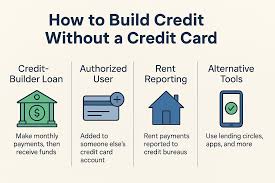
Building a credit score is not much difficult but sometimes when you have many cards that can impact your credit score, but what if we don’t have or don’t want a credit card? The good news is that you can still build your strong credit score even you have no credit card. Many people – young adults, recent immigrants, or those struggling from past financial mistakes – have done it successfully through consistent, responsible habits and smart tools.
This guide offers you practical, reality-based advice with human stories, proven methods, and balanced insights to help you decide what fits your situation now. No fluff, just actionable steps.
Why Building Credit Matters (Even Without Cards)
Your credit score influences loan approvals, interest rates, renting apartments, and sometimes job opportunities. Payment history makes up about 35% of your FICO score, so proving you pay reliably is key. The beauty of non-card methods? They often leverage bills you’re already paying.
1.Get Credit for Bills You Already Pay: Rent, Utilities, and More
Many everyday payments don’t automatically appear on your credit report, but services you use can report them.
- Rent Reporting Services:
Tools like Rent Track or similar services (including some property management services) report your on-time rental payments to the major bureaus. This adds positive payment history without new debt. - Experian Boost:
This free tool from Experian lets you connect bank accounts to add on-time payments for utilities, phone, internet, streaming services (like Netflix), and even eligible rent/insurance. Many users see an immediate boost—averages around 8–13 points, with bigger gains (up to 20+) for those with thin or poor files. It only affects Experian-based scores initially but is a low-effort win. - Real Talk:
A user in the community discussion wrote “I was skeptical, but linking my accounts took 10 minutes and added 19 points overnight,”. Results vary – those with limited history benefit most. It’s not magic, but it rewards responsibility you’re already showing.Tip: Put utilities and phone plans in your name and pay on time (or early). Some carriers report automatically that can gain you points.2. Become an Authorized User on a Trusted Account
Ask a close friend or a family member with excellent credit score and low utilization to add you as an authorized user on their card. Their positive history can transfer to your report.
Pros: No application or new debt for you.
Cons: The primary account holder’s behaviour surely affects you. Choose wisely, confirm first and communicate clearly. Some issuers don’t report authorized users.
This is one of the fastest ways for young adults or those new to credit in the U.S.
3. Credit-Builder Loans: Save While You Build
A credit-builder loan is considered like a forced savings plan with credit benefits. You make monthly payments into a savings account (or the lender holds funds), and the lender reports your on-time payments to the bureaus. At the end, you get the money back (minus fees/interest).
- Ideal for installment credit (different from revolving credit of cards).
- Often available at credit unions or online lenders with minimal credit checks.
- Builds discipline and savings simultaneously.
4. Other Loans and Installment Accounts
1.Student Loans: The most federal ones are On-time payments build credit if reported.Auto Loans or 2.Personal Loans: With a co-signer if needed, or shop credit unions/banks for better rates. These add variety to your credit mix.Pay Existing Debts: Medical bills, collections—paying them off removes negatives.banking Habits and Alternative Products Open a checking/savings account and maintain it responsibly (avoid overdrafts).Some fintech options (like certain debit-linked products) report activity as credit-like payments.
Pay parking tickets, library fines etc, Promptly.
Step-by-Step Action Plan
1. Check Your Starting Point: Get free weekly credit reports from AnnualCreditReport.com and your FICO/ VantageScore where available.
2. Prioritize On-Time Payments: Set up autopay or calendar reminders.
3. Add Positive Reporting: Sign up for Experian Boost and rent reporting today.
4. Choose One or Two Methods: Authorized user + Boost for quick wins; credit-builder loan for structure.
5. Monitor Progress: Track every 3 months. Be patient—building takes 6–24 months of consistency.
6. Avoid Pitfalls: Don’t apply for too many products (hard inquiries hurt). Ignore “credit repair” scams promising you overnight or fast results.
Final Thoughts: It’s About Habits, Not Hacks
Building your credit without a credit card is entirely doable and often leads to healthier financial habits long-term. Focus on reliability: pay what you owe, when you owe it. Over time, this opens doors – better apartments, lower rates, and peace of mind.
Start small today. Your future self (and your score) will thank you. If you have specific circumstances (e.g., thin file, past issues), consider speaking with a non-profit credit counselor.
This article is for educational purposes. Credit scoring models vary, and individual results differ. Always review terms of any financial product.
FAQ Section
1.Can I build credit without a credit card?
Yes, you can build a credit profile without a credit card.
2.How long does it take to build credit from scratch?
Building credit from scratch typically takes 3 to 6 months to generate your first credit score, and 1 to 2 years to build a solid “good” credit history
3.Does Experian Boost really work?
Yes, Experian Boost works exactly as advertised for its primary function: it instantly scans your linked bank accounts and adds on-time payments for utility, telecom, rent, and streaming bills to your Experian credit file, boosting your credit score.
Learn more to build credit fast in 2026

About Stephen Joseph:
Stephen is a financial journalist with over a decade of experience covering personal finance, investing, and small business. His work has been widely featured across major outlets including MSN Money, Business Insider, Fox Business, and CBS News MoneyWatch. He currently serves as a financial planning expert and journalist.
In addition to his editorial work, Stephen partners with leading brands in the financial services industry — including Citibank, Discover Bank, and AIG Insurance — helping shape content strategy that connects with real consumers. Before transitioning into financial journalism, He built his professional foundation in sales within the communications industry.
Stephen holds a bachelor’s degree in Political Science from the University of South Carolina and a master’s degree from Charleston Southern University.